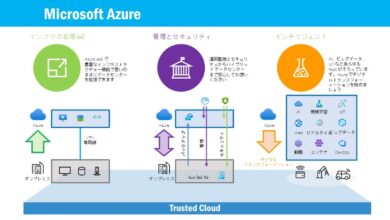
Welcome to the future of container orchestration in the cloud. Azure Kubernetes Service (AKS) is transforming how businesses deploy, manage, and scale containerized applications with unmatched efficiency and reliability.
What Is Azure Kubernetes Service (AKS)?

Azure Kubernetes Service (AKS) is Microsoft’s managed Kubernetes offering on the Azure cloud platform. It simplifies the deployment, management, and operations of Kubernetes clusters by handling critical tasks like health monitoring, scaling, upgrades, and security patching. With AKS, developers and DevOps teams can focus on building applications instead of managing infrastructure.


Understanding Kubernetes and Its Role in Modern Applications
Kubernetes, originally developed by Google and now maintained by the Cloud Native Computing Foundation (CNCF), is an open-source system for automating deployment, scaling, and management of containerized applications. It groups containers into logical units for easy management and discovery.
Azure Kubernetes Service (AKS) – Azure Kubernetes Service (AKS) menjadi aspek penting yang dibahas di sini.
- Kubernetes abstracts away infrastructure complexity.
- It enables declarative configuration and automation.
- It supports multi-cloud and hybrid deployments.
By integrating Kubernetes with Azure’s robust cloud infrastructure, AKS delivers a powerful, enterprise-grade platform for modern application development.
Key Features That Define Azure Kubernetes Service (AKS)
AKS stands out due to its deep integration with Azure services and its focus on reducing operational overhead. Some of its defining features include:
Automated Kubernetes Master Management: AKS automatically manages the control plane (masters), including provisioning, scaling, and patching.Integrated Monitoring and Logging: Built-in integration with Azure Monitor and Log Analytics provides real-time insights into cluster health and performance.Role-Based Access Control (RBAC): Fine-grained access control ensures secure multi-tenant environments.Virtual Nodes: Allows immediate scaling of pods using Azure Container Instances (ACI), eliminating the need to pre-provision nodes.
Azure Kubernetes Service (AKS) – Azure Kubernetes Service (AKS) menjadi aspek penting yang dibahas di sini.
.”Azure Kubernetes Service (AKS) removes the burden of managing the Kubernetes control plane, allowing teams to focus on delivering value through their applications.” — Microsoft Azure Documentation
Why Choose Azure Kubernetes Service (AKS) Over Other Platforms?With multiple managed Kubernetes services available—such as Amazon EKS and Google GKE—why should organizations choose Azure Kubernetes Service (AKS)?The answer lies in its seamless integration with the broader Azure ecosystem, enterprise-grade security, and developer-friendly tooling..
Deep Integration with Azure Ecosystem
One of AKS’s strongest advantages is its native integration with other Azure services. This includes:
- Azure Active Directory (AAD): Enables secure authentication and authorization for Kubernetes clusters.
- Azure DevOps: Streamlines CI/CD pipelines for containerized applications.
- Azure Virtual Network: Provides secure networking and hybrid connectivity via ExpressRoute or VPN Gateway.
- Azure Container Registry (ACR): Offers a private registry for Docker images with fast pull times from AKS clusters.
This tight integration reduces configuration complexity and accelerates deployment cycles.
Azure Kubernetes Service (AKS) – Azure Kubernetes Service (AKS) menjadi aspek penting yang dibahas di sini.
Cost Efficiency and Operational Simplicity
AKS is designed to minimize operational costs. Unlike self-managed Kubernetes clusters, AKS does not charge for the control plane—only for the worker nodes you use. This pricing model makes it highly cost-effective for startups and enterprises alike.
- No cost for Kubernetes masters.
- Pay-as-you-go pricing for worker nodes.
- Auto-scaling reduces idle resource consumption.
Additionally, AKS supports autoscaling at both the node and pod levels, ensuring optimal resource utilization during traffic spikes or lulls.
Setting Up Your First Azure Kubernetes Service (AKS) Cluster
Getting started with Azure Kubernetes Service (AKS) is straightforward, whether you prefer the Azure Portal, Azure CLI, or infrastructure-as-code tools like Terraform or ARM templates.
Azure Kubernetes Service (AKS) – Azure Kubernetes Service (AKS) menjadi aspek penting yang dibahas di sini.
Step-by-Step Guide Using Azure CLI
The Azure CLI is one of the most efficient ways to create and manage AKS clusters. Here’s how to set up your first cluster:
- Install the Azure CLI from Microsoft’s official documentation.
- Log in using
az login. - Create a resource group:
az group create --name myResourceGroup --location eastus. - Create the AKS cluster:
az aks create --resource-group myResourceGroup --name myAKSCluster --node-count 2 --enable-addons monitoring --generate-ssh-keys. - Connect to the cluster:
az aks get-credentials --resource-group myResourceGroup --name myAKSCluster. - Verify the connection:
kubectl get nodes.
Within minutes, you’ll have a fully functional Kubernetes cluster ready for deployments.
Using Terraform for Infrastructure-as-Code
For teams practicing DevOps and Infrastructure-as-Code (IaC), Terraform is an excellent choice for provisioning AKS clusters. It allows version-controlled, repeatable infrastructure deployments.
Azure Kubernetes Service (AKS) – Azure Kubernetes Service (AKS) menjadi aspek penting yang dibahas di sini.
- Define your AKS cluster configuration in HCL (HashiCorp Configuration Language).
- Use modules from the Terraform Registry to speed up development.
- Apply the configuration with
terraform applyfor consistent, auditable deployments.
This approach enhances collaboration, reduces human error, and supports compliance requirements.
Scaling and Managing Applications on Azure Kubernetes Service (AKS)
One of the primary reasons organizations adopt Kubernetes is for scalability. Azure Kubernetes Service (AKS) excels in this area with built-in tools and integrations that support both horizontal and vertical scaling strategies.
Horizontal Pod Autoscaler (HPA)
The Horizontal Pod Autoscaler automatically adjusts the number of pod replicas based on observed CPU utilization or custom metrics. To enable HPA:
Azure Kubernetes Service (AKS) – Azure Kubernetes Service (AKS) menjadi aspek penting yang dibahas di sini.
- Deploy the Metrics Server in your AKS cluster.
- Apply an HPA configuration using
kubectl autoscaleor YAML manifests. - Set target CPU usage (e.g., 70%) and min/max replica counts.
This ensures your application scales seamlessly under load without manual intervention.
Cluster Autoscaler
The Cluster Autoscaler works at the node level, adding or removing worker nodes based on pending pod schedules. It integrates directly with Azure Virtual Machine Scale Sets (VMSS), enabling dynamic node provisioning.
- Enables cost savings by removing unused nodes.
- Supports multiple node pools for different workloads (e.g., GPU-intensive vs. general-purpose).
- Can be enabled during cluster creation or added later via CLI.
Together, HPA and Cluster Autoscaler provide a powerful, responsive scaling solution.
Azure Kubernetes Service (AKS) – Azure Kubernetes Service (AKS) menjadi aspek penting yang dibahas di sini.
Security Best Practices for Azure Kubernetes Service (AKS)
Security is paramount when running containerized workloads in production. Azure Kubernetes Service (AKS) offers several built-in security features, but proper configuration is essential to maximize protection.
Enabling Azure AD Integration
Integrating AKS with Azure Active Directory (AAD) enhances identity and access management. It allows:
- Single Sign-On (SSO) for developers and operators.
- Integration with existing enterprise identity systems.
- Role-based access control using Kubernetes RBAC and AAD groups.
To enable AAD integration, use the --enable-aad flag during cluster creation or upgrade an existing cluster via the Azure CLI.
Azure Kubernetes Service (AKS) – Azure Kubernetes Service (AKS) menjadi aspek penting yang dibahas di sini.
Network Policies and Firewalls
Network segmentation is crucial for limiting lateral movement in case of a breach. AKS supports multiple network plugins:
- kubenet: Simpler networking, suitable for basic scenarios.
- Azure CNI: Provides each pod with a virtual network IP, enabling advanced networking features.
Additionally, use Network Policies (via Calico or Azure Policy) to define ingress and egress rules between pods. Combine this with Azure Firewall or Web Application Firewall (WAF) for defense-in-depth.
Image Security and Vulnerability Scanning
Container images must be scanned for vulnerabilities before deployment. Integrate Azure Container Registry (ACR) with ACR Tasks to scan images during build time.
Azure Kubernetes Service (AKS) – Azure Kubernetes Service (AKS) menjadi aspek penting yang dibahas di sini.
- Enable vulnerability scanning in ACR.
- Use Azure Defender for Cloud to get security recommendations and threat detection.
- Enforce image signing with Notary to prevent unauthorized images from running.
These practices help maintain a secure software supply chain.
Monitoring and Observability in Azure Kubernetes Service (AKS)
Effective monitoring is essential for maintaining application health and performance. Azure Kubernetes Service (AKS) integrates seamlessly with Azure Monitor, providing comprehensive observability.
Using Azure Monitor for Containers
Azure Monitor for Containers collects metrics, logs, and performance data from your AKS clusters. It provides:
Azure Kubernetes Service (AKS) – Azure Kubernetes Service (AKS) menjadi aspek penting yang dibahas di sini.
- Real-time dashboards for CPU, memory, and network usage.
- Predefined views for nodes, controllers, and containers.
- Integration with Log Analytics for advanced querying using Kusto Query Language (KQL).
To enable monitoring, use the --enable-addons monitoring flag during cluster creation or enable it later via the portal or CLI.
Centralized Logging with Log Analytics
Log Analytics allows you to collect and analyze logs from all containers, nodes, and system components. You can:
- Create custom log queries to troubleshoot issues.
- Set up alerts based on log patterns (e.g., repeated errors).
- Export logs to Azure Storage or Event Hubs for long-term retention.
This centralized logging approach simplifies debugging and compliance auditing.
Azure Kubernetes Service (AKS) – Azure Kubernetes Service (AKS) menjadi aspek penting yang dibahas di sini.
Application Insights for End-to-End Tracing
For application-level monitoring, integrate Application Insights with your microservices. It enables:
- Distributed tracing across services.
- Performance monitoring and failure analysis.
- User behavior tracking and dependency mapping.
This end-to-end visibility is critical for maintaining service-level objectives (SLOs) in complex environments.
Advanced Use Cases and Integrations with Azure Kubernetes Service (AKS)
Beyond basic container orchestration, Azure Kubernetes Service (AKS) supports advanced scenarios such as machine learning, hybrid cloud, and serverless computing.
Azure Kubernetes Service (AKS) – Azure Kubernetes Service (AKS) menjadi aspek penting yang dibahas di sini.
Running Machine Learning Workloads on AKS
AKS is a preferred platform for deploying machine learning models at scale. It integrates with Azure Machine Learning (AML) to:
- Deploy trained models as RESTful APIs in containers.
- Scale inference endpoints based on demand.
- Use GPU-enabled node pools for high-performance computing.
Data scientists can leverage AKS to serve models with low latency and high availability.
Hybrid and Multi-Cloud Deployments with Azure Arc
Azure Arc extends AKS capabilities to on-premises and multi-cloud environments. With Azure Arc-enabled Kubernetes, you can:
Azure Kubernetes Service (AKS) – Azure Kubernetes Service (AKS) menjadi aspek penting yang dibahas di sini.
- Manage on-premises Kubernetes clusters from the Azure portal.
- Apply consistent policies and configurations across environments.
- Deploy Azure services (like databases) anywhere.
This enables true hybrid cloud operations with unified governance.
Serverless Kubernetes with Virtual Nodes
AKS supports virtual nodes, which allow you to run pods directly on Azure Container Instances (ACI). This enables:
- Near-instant scaling without provisioning VMs.
- Cost-effective burst capacity during traffic spikes.
- Seamless integration with existing AKS clusters.
Virtual nodes are ideal for batch jobs, CI/CD tasks, or unpredictable workloads.
Azure Kubernetes Service (AKS) – Azure Kubernetes Service (AKS) menjadi aspek penting yang dibahas di sini.
Best Practices for Operating Azure Kubernetes Service (AKS) in Production
Deploying AKS in production requires careful planning and adherence to best practices to ensure reliability, security, and performance.
Use Multiple Node Pools for Workload Isolation
Azure Kubernetes Service (AKS) supports multiple node pools, allowing you to separate workloads by resource requirements, availability zones, or security levels.
- Dedicate node pools for system components (e.g., kube-system).
- Create GPU-enabled pools for AI/ML workloads.
- Use spot instances for fault-tolerant, non-critical workloads to reduce costs.
This improves resource efficiency and simplifies management.
Azure Kubernetes Service (AKS) – Azure Kubernetes Service (AKS) menjadi aspek penting yang dibahas di sini.
Implement GitOps with Flux or Argo CD
GitOps is a modern approach to continuous delivery that uses Git as the single source of truth for infrastructure and application configurations.
- Store Kubernetes manifests in a Git repository.
- Use tools like Flux or Argo CD to automatically sync the cluster state with Git.
- Enable automated rollbacks and audit trails.
Microsoft recommends GitOps for managing AKS clusters at scale.
Regularly Update and Patch Your Cluster
AKS simplifies Kubernetes version management, but you must still plan and execute upgrades.
Azure Kubernetes Service (AKS) – Azure Kubernetes Service (AKS) menjadi aspek penting yang dibahas di sini.
- Review the supported Kubernetes versions and upgrade cadence.
- Test upgrades in a staging environment first.
- Use node image upgrades for faster patching without full cluster updates.
Staying current ensures access to new features, performance improvements, and security fixes.
What is Azure Kubernetes Service (AKS)?
Azure Kubernetes Service (AKS) is a managed container orchestration service provided by Microsoft Azure. It simplifies deploying, managing, and scaling Kubernetes clusters by automating operational tasks like upgrades, scaling, and monitoring.
Azure Kubernetes Service (AKS) – Azure Kubernetes Service (AKS) menjadi aspek penting yang dibahas di sini.
How much does AKS cost?
AKS itself is free—Microsoft does not charge for the control plane. You only pay for the underlying worker nodes (virtual machines), storage, networking, and optional services like monitoring or container registry.
Can I run AKS on-premises?
Azure Kubernetes Service (AKS) – Azure Kubernetes Service (AKS) menjadi aspek penting yang dibahas di sini.
Not directly. AKS runs in Azure, but you can manage on-premises Kubernetes clusters using Azure Arc, which extends AKS management capabilities to any environment.
How do I secure my AKS cluster?
Secure your AKS cluster by enabling Azure AD integration, applying network policies, using Azure Defender for Cloud, scanning container images, and following the principle of least privilege.
Azure Kubernetes Service (AKS) – Azure Kubernetes Service (AKS) menjadi aspek penting yang dibahas di sini.
What is the difference between AKS and Azure Container Instances (ACI)?
AKS is a full Kubernetes orchestration platform for complex, scalable applications. ACI is a serverless container execution environment ideal for simple, short-lived tasks. AKS can integrate with ACI via virtual nodes for hybrid scaling.
Microsoft’s Azure Kubernetes Service (AKS) is more than just a managed Kubernetes platform—it’s a gateway to modern, cloud-native application development. With its deep integration into the Azure ecosystem, robust security features, and support for advanced use cases like AI and hybrid cloud, AKS empowers organizations to innovate faster and operate more efficiently. Whether you’re a startup or a global enterprise, adopting AKS with best practices in place ensures scalability, reliability, and long-term success in the cloud.
Azure Kubernetes Service (AKS) – Azure Kubernetes Service (AKS) menjadi aspek penting yang dibahas di sini.
Recommended for you 👇
Further Reading: